Risks and Complications of Breast Lift Surgery
As with any surgical procedure, a breast lift carries risks. Breast lift procedures in the United States increased 7% in 2023, ranking among the top cosmetic breast procedures performed annually, according to the American Society of Plastic Surgeons.
Nationally, the overall complication rate for non-implant mastopexy is approximately 10.4%, with scar-related complications being the most common at around 3%, according to peer-reviewed research published on PubMed.
Patient satisfaction rates following mastopexy range from 76% to 95% across 10 clinical studies involving 510 patients. General surgical risks include infection, bleeding, adverse reaction to anesthesia, and delayed healing.
Risks specific to mastopexy include:
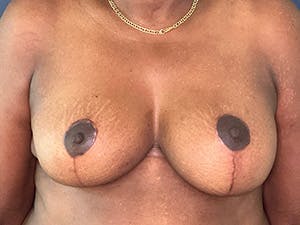
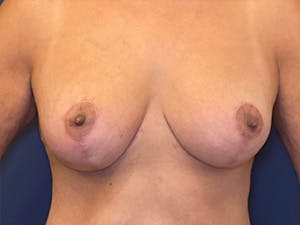
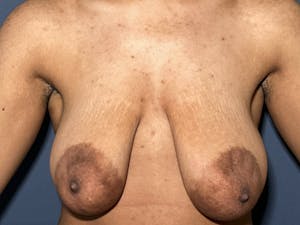
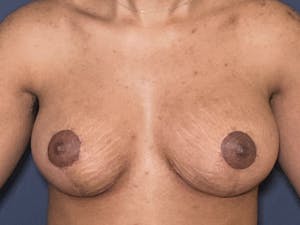
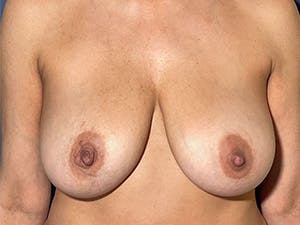
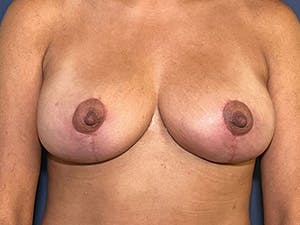
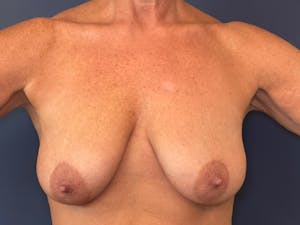
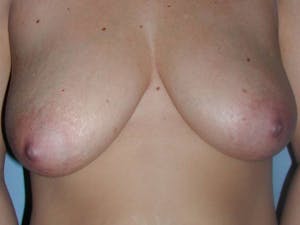
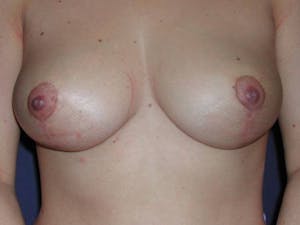
- Scarring: All breast lift procedures involve incisions and therefore produce scars. Scar appearance varies by technique; color typically fades from pink to white over several months to a year. The NaturaBra® technique minimizes the incision pattern compared to traditional approaches, but scars are a real and expected outcome of any mastopexy.
- Changes in nipple or breast sensation: Temporary numbness is common, and sensation usually returns after several weeks, although in some cases the change may be permanent.
- Breast asymmetry: Minor differences in size, shape, or position can occur during healing.
- Blood supply disruption: In rare cases, interruption of blood supply to the nipple or areola can occur, potentially affecting tissue viability.
- Breastfeeding: Most patients retain the ability to breastfeed, but this cannot be guaranteed in all cases.
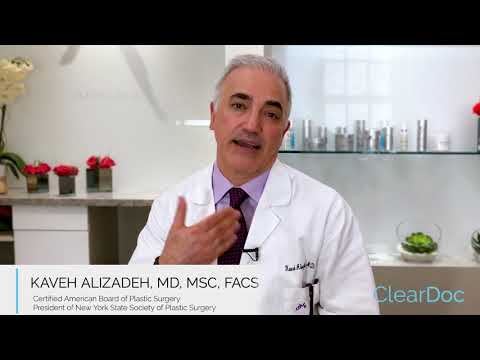
Dr. Alizadeh's advanced NaturaBra® technique is designed to minimize these risks, and serious complications are uncommon. The Cleveland Clinic offers additional context on breast lift risks and recovery for patients who want to research further.