646-665-1915 Menu

Septoplasty Overview

What Is a Septoplasty?

A septoplasty is a surgery for treating nasal blockage that is usually the result of a deviated septum (a displacement of the wall between the nostrils). The procedure treats chronic or acute nasal obstruction, including chronic sinusitis and polyposis, obstruction caused by trauma or previous surgery, and obstruction due to enlarged adenoids and tonsils.

Benefits of Septoplasty Surgery

  • Improved breathing
  • Improved quality of sleep
  • Corrects a deviated septum
  • May help correct chronic nosebleeds
  • One of the most effective treatments for sinusitis
  • Can restore or improve a patient’s sense of smell

How Is Septoplasty Performed?

During a septoplasty operation, an ENT specialist will align or straighten the bones that connect to and support your cartilage and septum by cutting away parts of the bone wall and reinforcing the remaining pieces.

This is accomplished with a well-hidden incision placed inside the nose and the physical straightening of the septum while the patient is under general anesthesia.

The surgeon will also perform a septoplasty to treat long-term sinusitis, remove nasal polyps, and treat other conditions that block the nasal airway. Occasionally, surgeons will recommend a septoplasty to stop recurrent nosebleeds.

  • Septoplasty is usually performed under general anesthesia; in some cases, a patient can be put under local anesthesia with sedation if there are no other health concerns. The surgery usually takes from 30 minutes to 2 hours, depending on the complexity of the case.
  • An incision is made inside the nose between the nostrils, either at or below the level of the cartilage that separates them. The surgeon straightens and adjusts (or alters) the asymmetrical septum, removing extra bits of cartilage, or polyps, and repairing any damage to the area.
  • The incision is then closed with sutures.

There are several techniques available for use when performing septoplasty. Your doctor will recommend either open surgery, closed surgery, or the use of endoscopic techniques

Results

Well-done septoplasty surgeries have a very high success rate and can greatly improve the function and flow of the nasal airway. This improves a patient’s quality of life with better breathing and oxygen intake, deeper uninterrupted sleep, and a resolution of recurrent nosebleeds if these conditions were previously a problem. 

If these measurements aren't reached, or your symptoms do come back, you may need another operation on the septum. Once a person has had septoplasty surgery, they may experience some minor discomfort when the nose is exposed to cold. This is usually only for short periods of time and can be treated with painkillers.

Dr. Kaveh Alizadeh

Recovery

Most patients return to work within a week of septoplasty surgery. Swelling of the nose and bruising due to bleeding usually subside within a week, but the recovery time will depend on how much correction was performed during your operation. Most patients will be prescribed painkillers for 1-2 days after surgery, and if any nasal packing is used, it will be removed within a few days or earlier.

Black and white of model with bare shoulders.

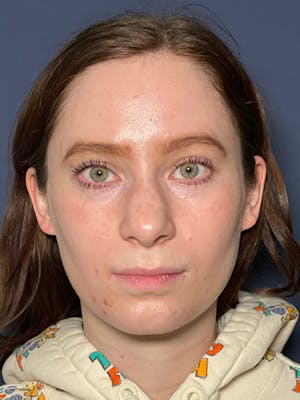
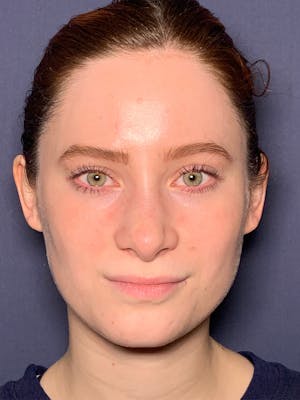
Septoplasty Before & After Photos

View More

Cost of Septoplasty Surgery

The average cost of a septoplasty surgery is about $5,000; however, this price may vary depending on the extent of the correction required, the surgeon performing the surgery, and the location of the surgery (operating room, accredited ambulatory surgery center, etc.).

Many health insurance plans cover this procedure, so be sure to check to see if yours does.

Why Choose Dr. Alizadeh for Your Septoplasty in NYC?

Choosing Dr. Alizadeh for your septoplasty means placing your trust in a board-certified plastic surgeon in NYC known for his expertise, precision, and dedication to achieving outstanding results. With a deep understanding of nasal anatomy and functional surgery, Dr. Alizadeh uses advanced techniques to correct structural issues and improve airflow, ensuring both functional and aesthetic enhancement. His meticulous approach guarantees that your septoplasty not only addresses your breathing concerns but also complements your overall facial harmony while prioritizing your safety and satisfaction.

Dr. Kaveh Alizadeh brings unparalleled expertise and a patient-centered approach to performing septoplasty in NYC. With an MD from Cornell, advanced training at Memorial Sloan Kettering, and a residency at the University of Chicago, Dr. Alizadeh is celebrated for achieving functional and aesthetic harmony. As a former Chief of Plastic Surgery at Westchester Medical Center and Clinical Surgery Professor at New York Medical College, his commitment to precision and excellence is evident in every procedure.

  • Over 23 years of experience in plastic and reconstructive surgery
  • Double Ivy League graduate and former Chief of Plastic Surgery at Westchester Medical Center
  • Innovator of cutting-edge techniques in aesthetic and reconstructive surgery, used globally
  • Published author and respected speaker with 100+ lectures and peer-reviewed articles
  • Founder of Mission: Restore, delivering medical care to underserved communities
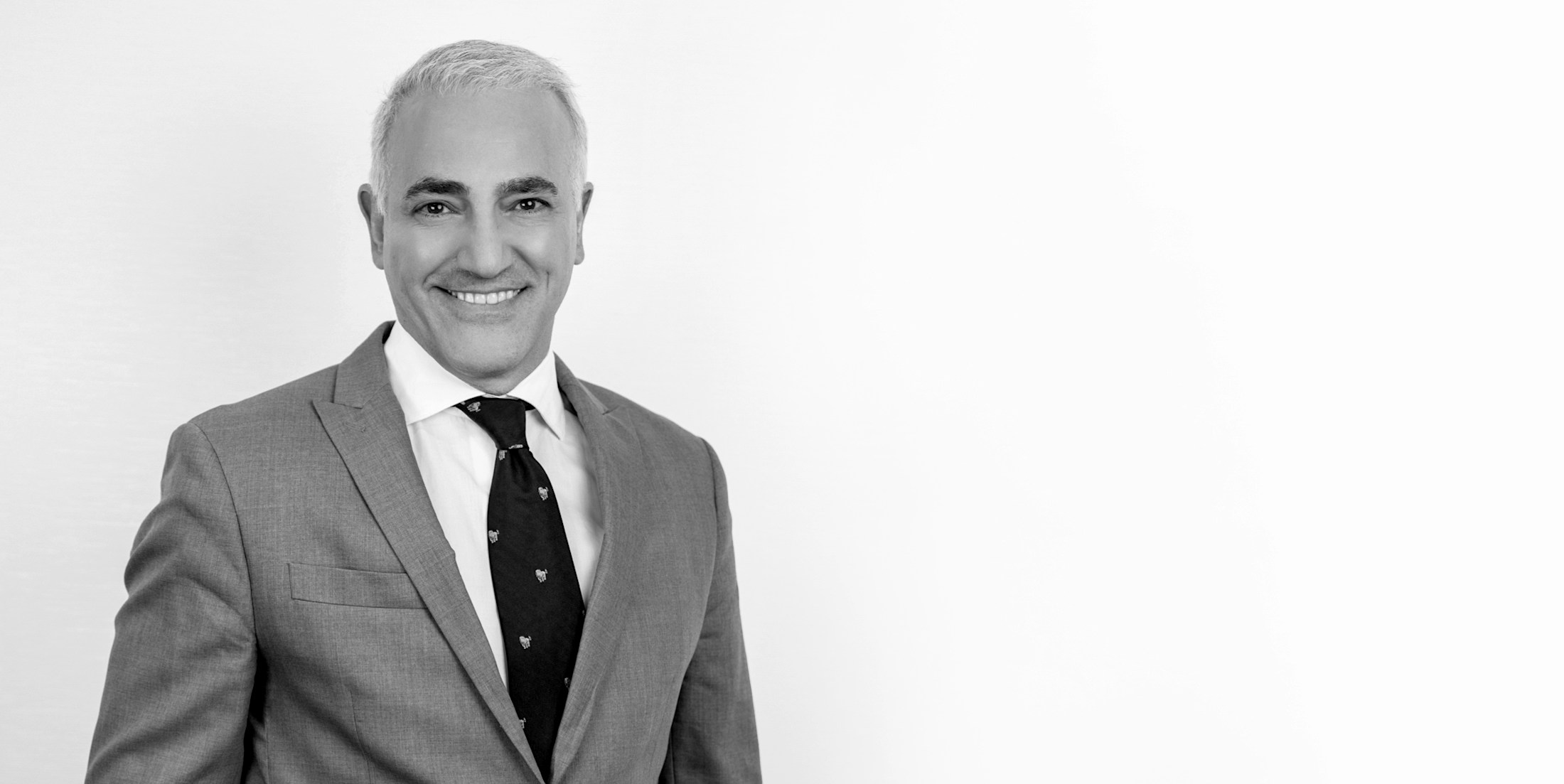
Dr. Alizadeh, Board-Certified NYC Plastic Surgeon
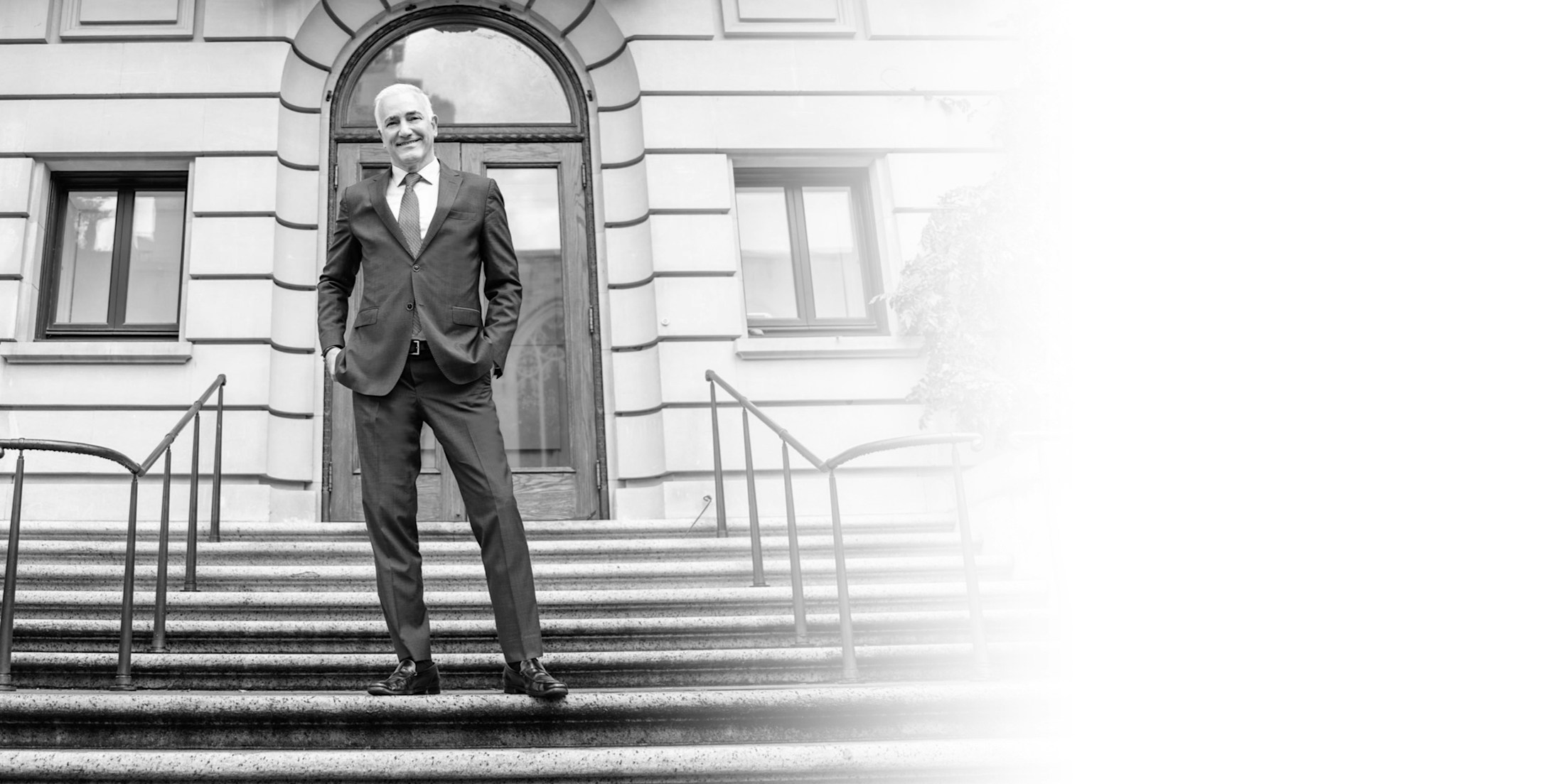
Dr. Alizadeh on the steps of Cosmoplastic Surgery.
Dr. Kaveh Alizadeh

Septoplasty FAQs

How can I tell if I need septoplasty surgery?

Persistent nasal obstruction, difficulty breathing through one or both sides of the nose, frequent sinus infections, or disrupted sleep may indicate a structural issue worth evaluating.

Will septoplasty change the shape of my nose?

On its own, septoplasty focuses on internal structures and typically does not alter your external appearance unless combined with rhinoplasty.

Can septoplasty be combined with cosmetic rhinoplasty?

Yes. Many patients choose to address both function and appearance at the same time, allowing for a more comprehensive surgical plan.

How soon will I notice an improvement in breathing?

Some patients notice early improvement, but optimal breathing usually becomes more apparent as internal swelling subsides over the following weeks.

Can allergies affect the outcome of septoplasty?

Yes. While the procedure corrects structural blockage, ongoing inflammation from allergies can still impact breathing and may need separate treatment.

Will I need a revision septoplasty?

Revision is uncommon but may be necessary in a small percentage of cases due to healing changes, trauma, or persistent structural issues.

Can a deviated septum worsen over time?

In some cases, yes. Aging, injury, or continued structural changes can increase obstruction if the condition is not addressed.

Is septoplasty appropriate for younger patients?

In select cases, yes. Candidacy depends on symptom severity and whether nasal development is sufficiently complete.

Accessibility: If you are vision-impaired or have some other impairment covered by the Americans with Disabilities Act or a similar law, and you wish to discuss potential accommodations related to using this website, please contact our Accessibility Manager at 646-665-1915.
Contact Us

Contact Us

646-665-1915